Pricing Options
60 min · NZD $100
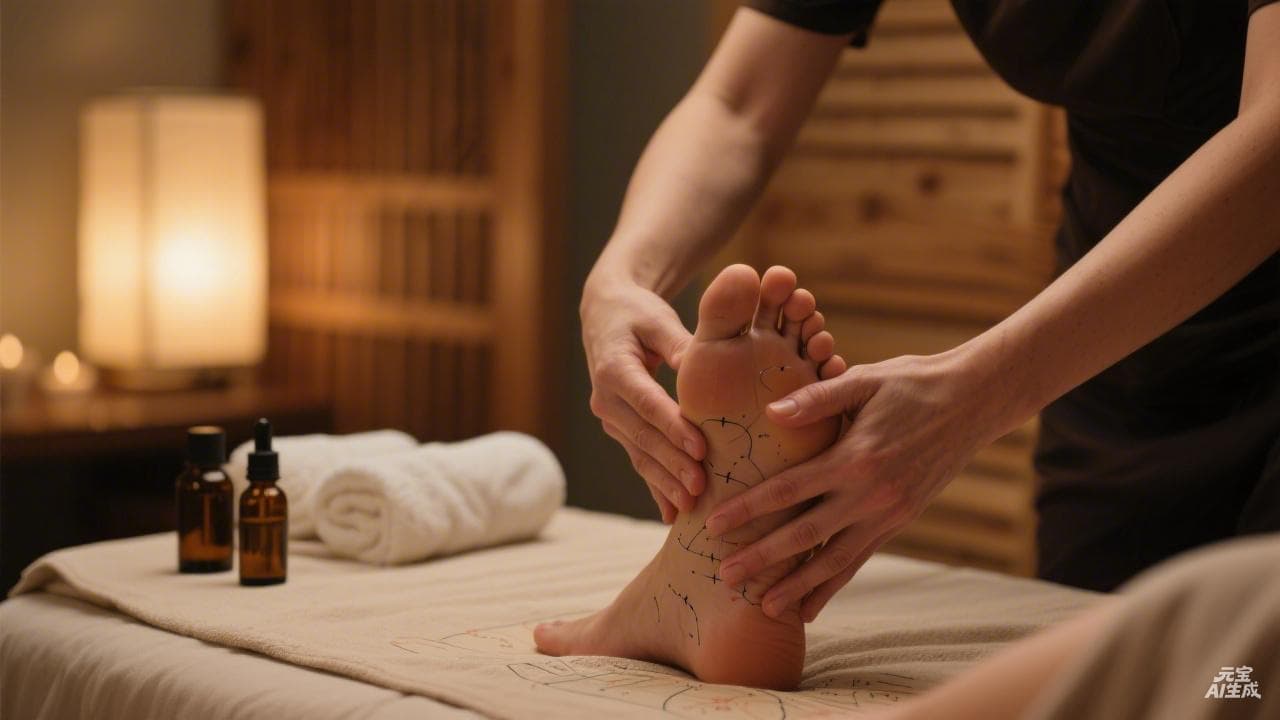
Reflexology is a focused foot treatment using sustained thumb and finger pressure on mapped areas of the feet to encourage deep relaxation and restore overall balance. It is often chosen by patients who prefer a gentle, non-needle treatment with a calming whole-body effect. Pressure is adjusted carefully to your comfort level throughout the session.
60 min · NZD $100
Reflexology is a structured pressure treatment applied mainly to the feet. It uses thumb and finger techniques over mapped reflex areas that are traditionally understood to correspond with different parts of the body.
In modern wellness settings, reflexology is most often used to promote relaxation, reduce perceived stress, and ease accumulated tension in the feet and lower legs.
A session usually begins with a short discussion about stress levels, sleep, foot sensitivity, and any current discomfort.
The practitioner then works through key reflex zones in a deliberate sequence using pressure, hold, and release techniques. Treatment is usually calming rather than forceful.
Patients remain clothed, and sessions commonly last 45-60 minutes.
Reflexology is primarily studied as a supportive therapy for relaxation and symptom relief.
Research suggests it may:
Foot-based pressure therapies have appeared in several traditions over time. Contemporary reflexology developed into a structured wellness treatment with mapped foot zones and standardized pressure techniques.
Reflexology is generally gentle and well tolerated. Pressure can be adjusted to comfort, and treatment should remain appropriate to age, circulation status, injury history, and current health conditions.